Mindscape Global

Relationship Difficulties

Relationship: It is an emotional or other connection between persons by blood or marriage. It is also an association, involvement or state of being connected between two or more persons or things. The four main types of relationships: Family relationships, Friendships, Acquaintanceship and Romantic relationships. 

  • Jealousy or fighting between brothers and sisters. 
  • Parents arguing. 
  • Divorce or separation. 
  • New step-parents or step-brothers and sisters. 
  • A parent or relative having mental health problems, disabilities or illness. 
  • Setting limits: Setting boundaries or limits between parents and children can create tension. Though limits are important, it tends to create emotional disconnect in the relationship. 
  • Misunderstanding and misinterpreting each other’s intentions: Children’s lack of respect for their parents is seen as disobedience and disregard for their feelings and emotions. Parents’ lack of trust in their children due to mistakes and dishonest behavior in the past, they end up criticizing their children in an unhealthy way, often using harsh words against them. 
  • Trusting the children: Most teenagers feel their parents need to show more trust and give them more independence, but they also know that parents are mostly just concerned for their safety. Children do not like it when their parents talk about some issues that can cause tensions like: homework, sibling fights, boundaries and trust. 
  • Communication is minimal and often negative: Lying, cheating, jealousy and disrespect. Verbal abusing by repeated instances of critical, undermining, blaming, sarcastic or manipulative comments. 
  • Disrespect and distancing from family: Spending less time together. Being selfish or self-involvement with your own feelings or needs, without considering your partner's concern and support, including giving unwanted advice, ordering, or withholding money in order to be in control. 
  • Resentment: When someone feels unheard or dismissed. This happens when one partner indicates the relationship is in trouble and your partner is rarely prepared to listen. 
  • Feeling of mistrust and dishonest: When your partner becomes an always controlling person. 
  • Passive-aggressive behavior or aggressive behavior: Includes shoving or even breaking objects. A pattern of withholding communication, affection or keeping secrets. This is often a sign of veiled anger. 
  • They are self-centered. They don’t think about your needs or feelings. 
  • They emotionally either overreact or create drama. 
  • They over share, seek control and lack boundaries. 
  • They are harshly critical. 

An unhealthy relationship with parents can deeply impact the child over time. 

  • How to be a parent to a child that is different from you, not the child that you wish you had:  You understand that parenting shouldn’t be based on who you think child should be, instead of who they are.  
  • How not to protect your child from experiencing the pain or consequences of their actions: You understand that for your child to learn from the poor choices they make, they need to face the natural consequences of their choices. 
  • How to face being judged, shameful remarks and blame from others: We help you to deal with difficult situations in your relationship, when your child throws tantrums, yells or disobeys you, behaves annoyingly in public. Others will always judge you-it’s human nature. 
  • How to cope when your child says, “I hate you”: We know how the words “I hate you,” has the power to bring any parent to tears or even anger. It has the ability to paralyze a parent especially during a fight, and that is the tactic children use to get what they want. We help you, as to how not to personalize your child’s behavior and how to respond during these moments. 
  • How and When To Let Go of your child:  A natural part of adolescence is- taking risks and ends up in breaking of rules set by the parents. It is extremely important as a parent to be able to disconnect from your emotional response to their behavior. We need to understand that we will always love our children, but we need to give them the space. 

We understand that as a parent it is difficult to figure out what is right. There isn’t a right answer all the time. 

  • We help you to accept there are choices to make and that choices often come with anxiety. It is important to understand that as a parent, you are doing the best you can and that you won’t be perfect. 
  • Help improve the way you relate to those around you and allow you to break free from old patterns of behavior. You learn to identify issues or problems in a relationship and find a way through those difficulties. 
  • Communication is the bedrock of healthy relationships; counselling can help you and your partner learn how to express your needs respectfully. Thus, break free from destructive cycles of blame and defensiveness through guided exercises and communication techniques. 

Conflict leads to resentment, not resolution. 

We provide counselling in Relationship difficulties management for:

Specialists

Anu V.V. 

Qualification : MPhil Clinical Psy
Experience : 8+ years
Charges : Rs. 750 per hour

Vinitha

Qualification : MPhil Clinical Psy
Experience : 2-3 years
Charges : Rs. 750 per hour

Dr. Anupama

Qualification : MD (Psychiatry)
Experience : 1-2 years
Charges : Rs. 900 per hour

Rashmi Ranjan

Qualification : MA Applied Psychology, MPhil (Learning Disabilities)
Experience : 6+ years
Charges : Rs. 750 per hour
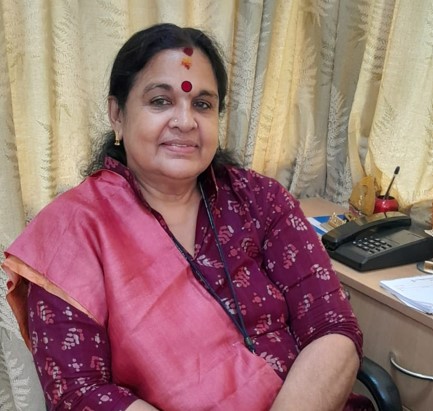
Lekshmi Bhaskar

Qualification : MSw, PGD Counselling Psychology
Experience : 20+ years
Charges : Rs. 900 per hour

Dr. Srividhya

Qualification : PHD Psychology
Experience : 26+ years
Charges : Rs. 1000 per hour

Pragila

Qualification : MPhil Clinical Psychology
Experience : 2 years
Charges : Rs. 750 per hour

Ardhra J.S.

Qualification : MSc. Clinical Psychology
Experience : 3 years
Charges : Rs. 750 per hour